
The Benefits of Telematics for Commercial Fleets
Managing vehicles is a key element for the daily operations of many businesses. According to the Federal Motor Carrier Safety Administration, the number of fatal crashes involving large trucks and buses has gone up by 42% since 2009. Telematics is certainly the way of the future when it comes to fleet management. The information available at your fingertips in near, if not, real time is mindboggling. Telematics has the ability to transmit info with regards to driver behavior, vehicle diagnostics, and location, to name but just a few. Information such as this allows supervisors/management to make immediate corrections if needed, or in some cases immediate praise. Below are some additional areas where the utilization of telematics software can help a fleet:
- Reduce operational costs—Telematics software can help keep drivers updated on upcoming traffic concerns or road hazards, offer rerouting options and locate preferred gas stations—all of which can contribute to improved fuel efficiency and reduced operational costs.
- Encourage safe driving—Telematics allows employees to better monitor their individual driving habits and detect flaws that they might not have realized otherwise.
- Bolster fleet security—Employers can utilize telematics tracking to detect the location and route of any stolen vehicles, simplifying the vehicle recovery process.
- Ensure vehicle maintenance—Telematics software can detect a wide range of vehicle breakdown or maintenance problems, such as engine issues or diagnostic concerns.
- Reduce administrative costs—Telematics allows employers to digitize records that would otherwise have to be maintained manually, which can be a time-consuming process.
For additional insurance and loss control guidance, contact INSURICA today.
About the Author

Share This Story


Related Blogs
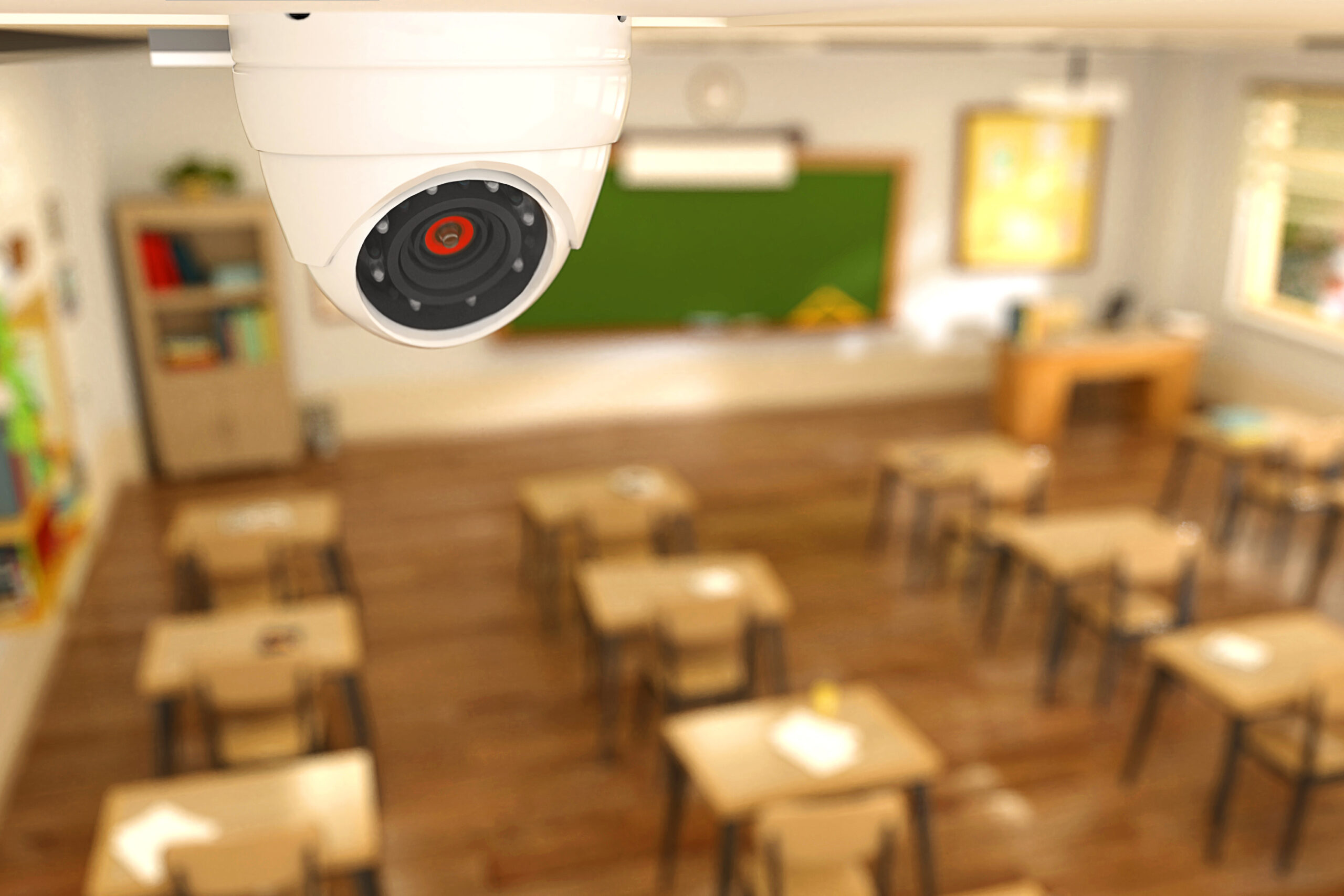
Enhancing School Security: Practical Strategies for Safer Campuses
Enhancing school security is one of the most pressing responsibilities for education leaders today. As school campuses evolve, so too must the systems that protect them. For administrators, safety professionals, and district decision-makers, creating a secure learning environment means taking a proactive, layered approach that includes physical security, training, technology, and community involvement.

5 Common Cybersecurity Mistakes and How to Avoid Them
All organizations, regardless of their size or industry, are at risk of being targeted by cybercriminals. These malicious actors can conduct cyberattacks, leading to significant financial, operational and reputational damage that can be difficult or impossible to recover from. Fortunately, solid cyber hygiene practices can reduce the likelihood of data breaches and other cyber incidents from occurring, and many of these practices are relatively low-cost and easy to implement.

Insurance Coverage Basics For Boatowners
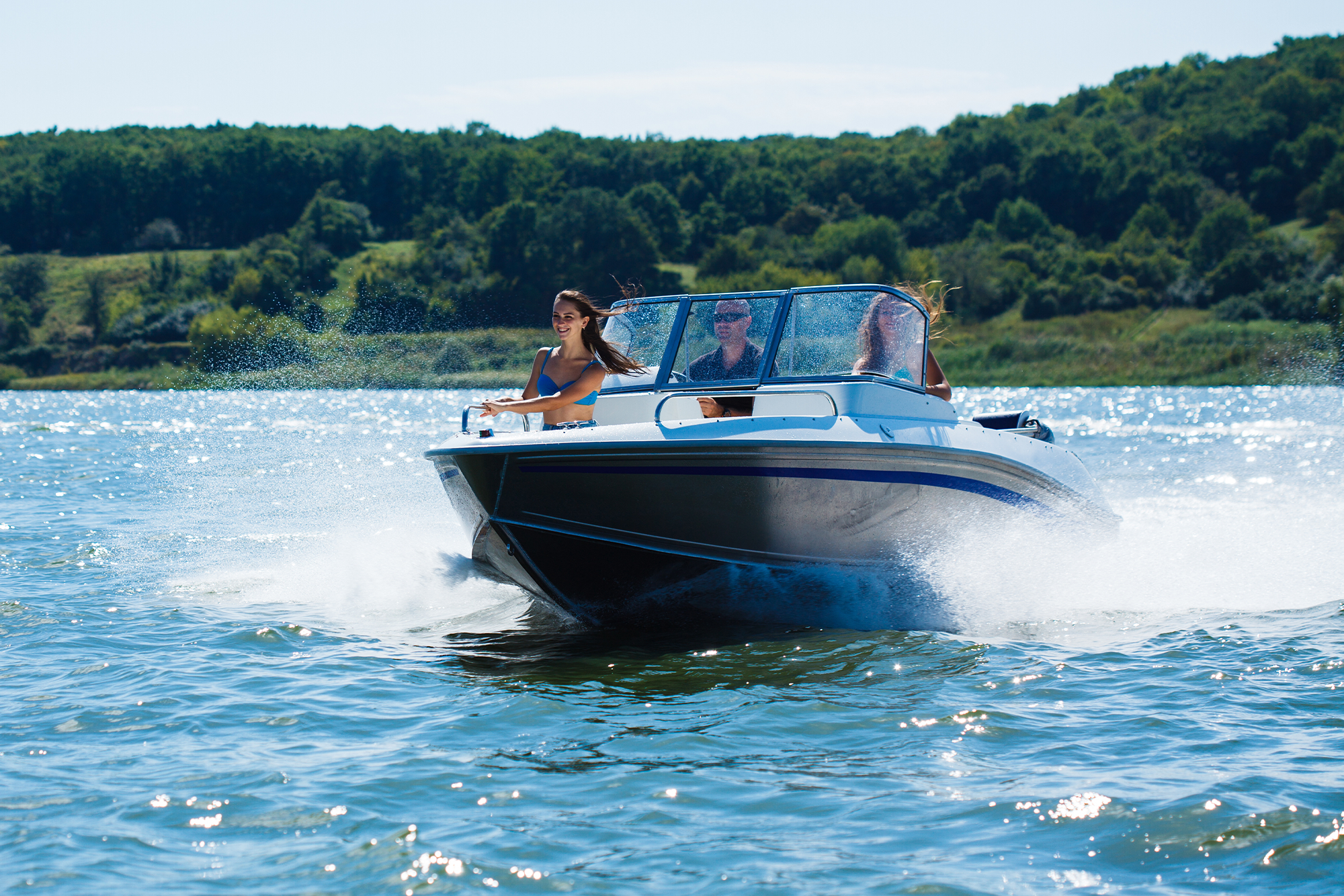
A small boat, such as a canoe or other un-motorized boat, is typically covered under the personal property portion of your homeowners insurance policy. If you own a larger, faster boat, you'll need a separate boatowners insurance policy. A typical boatowners insurance policy is designed to protect your boat, motor, equipment, and passengers. It affords similar coverages to those you typically have for your car including: