
Enhancing school security is one of the most pressing responsibilities for education leaders today. As school campuses evolve, so too must the systems that protect them. For administrators, safety professionals, and district decision-makers, creating a secure learning environment means taking a proactive, layered approach that includes physical security, training, technology, and community involvement.
Here are several practical strategies school leaders can adopt to strengthen campus security and foster a safe educational atmosphere for students and staff.
Prioritize Campus-Wide Surveillance and Visibility
Installing high-resolution video surveillance in key areas—both high-traffic and secluded—is an effective deterrent to potential criminal activity. These systems also provide valuable documentation during incidents. Modern cloud-based surveillance solutions offer secure, always-accessible video storage that supports district-wide monitoring and accountability.
Strengthen Entry Management with Access Control
Door access control systems provide a critical first line of defense against unauthorized access. These systems can manage entries remotely, verify identities, and ensure that only authorized personnel are on campus. A secure entry vestibule, supported by visual ID checks and buzz-in systems, creates a layered, well-controlled entry point for visitors.
Alarm and Intrusion Detection Systems
To safeguard campuses during off-hours, intrusion alarms are vital. These systems detect unauthorized access and can integrate with emergency communication platforms to alert staff and law enforcement immediately. Incorporating this technology helps maintain round-the-clock protection, even when buildings are unoccupied.
Improve First Responder Communication with ERCES
Communication dead zones in stairwells, basements, and elevators can delay emergency response. Emergency Responder Communication Enhancement Systems (ERCES) ensure first responders can maintain radio communication throughout the building during a crisis. Investing in these systems can drastically improve emergency outcomes.
Conduct Regular Physical Risk Assessments
Security is not a one-time initiative. Schools should partner with risk management advisors or security experts to perform routine physical risk assessments. These evaluations identify infrastructure vulnerabilities and guide decision-making for future improvements in security policies, training, and equipment.
Integrate School Resource Officers and Security Personnel
Having dedicated security personnel on campus—such as School Resource Officers (SROs)—adds a human element to your district’s security plan. These professionals support incident prevention, develop safety protocols, and build trust with students and staff. When well-integrated, SROs contribute to both physical safety and a more positive school climate.
Emphasize Training and Emergency Preparedness
Routine safety drills and staff training are essential. From lockdowns to fire evacuations, each procedure should be practiced and tailored to your school’s layout and needs. Staff should be confident in how to respond to both internal and external threats, natural disasters, and medical emergencies.
Ultimately, no single tool or technology can ensure school safety. It takes a coordinated effort—from administrators, teachers, staff, students, parents, and community partners—to create a culture that values awareness, communication, and accountability. Administrators who take the lead in developing a comprehensive security strategy help set the tone for the entire campus community.
For more insights on enhancing campus security, contact INSURICA today.
About the Author

Share This Story




Related Blogs

Pharmacy Costs Are Surging Again — What Employers Can Actually Do in 2026
Pharmacy spending is once again the fastest growing component of employer health plans. Specialty drugs now account for more than half of total pharmacy spend, and GLP 1 medications for diabetes and weight management are reshaping budgets. Employers are feeling the pressure: rising premiums, unpredictable claims, and employee expectations for access to high cost therapies.
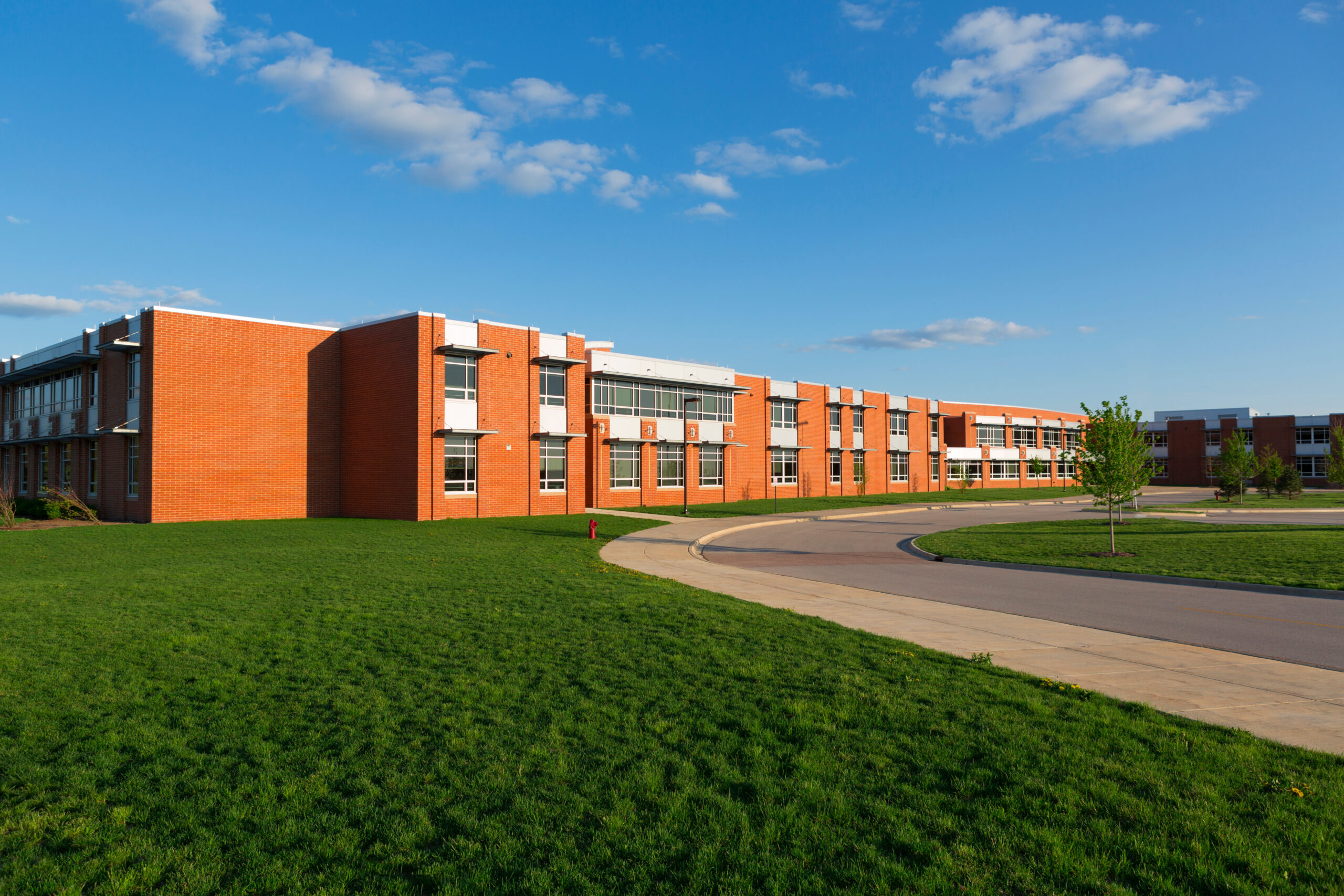
Addressing Blind Spots on Campus: Surveillance and Lighting
Summer is one of the best opportunities schools have to reduce campus security gaps. With fewer people on site and more flexibility to schedule vendors, campus surveillance and lighting can be inspected and improved to correct blind spots before back-to-school traffic increases.



The Return-to-Office Reset: How Benefits Are Being Re-Engineered in 2026
After several years of experimentation, many employers are tightening hybrid schedules or requiring more in-office days. This “return-to-office reset” is reshaping benefits strategies as organizations look for ways to support commuting employees, improve onsite experience, and maintain flexibility. What began as a workplace policy shift is now driving a broader rethinking of how benefits can reinforce culture, productivity, and retention.