
Going boating can be a wonderful way to explore the open waters and stay cool in the summer heat. However, boating can carry significant safety hazards if you aren’t careful. Without proper precautions in place, a boating mishap could easily lead to extensive property damage, various injuries and—in severe cases—drowning or death. To keep yourself and your passengers safe on the water, follow these boating best practices.
General Boating Precautions
- Dock at a marina that has standpipes, fire extinguishers, good lighting, surveillance cameras and security measures in place.
- Always wear personal flotation devices when on the water, especially those that cannot swim and children.
- Do not swim near a marina since boaters cannot see you when they are trying to dock.
- Wear nonslip shoes on the boat and dock.
- Keep your boat in good condition with all equipment meeting safety standards established in your area.
- Assure that the marina has the proper power voltage for your boat.
- Add fuel to portable tanks on the dock only—never on the deck of your boat.
Docking Tips
- Use forward and reverse at an idle speed when docking and moving your boat near the marina.
- Have bumpers, mooring lines and boat hooks ready before docking.
- Keep all body parts in the boat until you have come to a complete stop.
- Tie the line that holds the boat against the wind first when docking.
Preventing Boat Fires
To avoid a potential fire onboard, inspect fuel hoses and containers on a regular basis to prevent the escaping vapors from going into bilges. Also, check the wiring and all appliances on deck for damage frequently. As a safety precaution, keep fire extinguishers on deck and fit smoke detectors to the cabin.
Contact INSURICA today to learn more about how we can help you address your insurance-related challenges.
This is not intended to be exhaustive nor should any discussion or opinions be construed as legal advice. Readers should contact legal counsel or an insurance professional for appropriate advice. © 2024 Zywave, Inc. All rights reserved.
About the Author

Share This Story




Related Blogs

Utah HB 508 Changes DFCM Bonding Requirements for State Construction Projects
A new bill was recently introduced and ultimately passed in the State of Utah. HB 508 was signed by the Governor on March 26, 2026, and could have lasting impacts on the Utah construction market.

Summer School Student Workers: Best Practices to Reduce Risk for Schools
Many Texas public school districts hire high school students for summer roles—supporting summer programs, clerical and departmental work, campus organization projects, childcare support, and limited food service assistance. These positions can benefit both students and districts, but they also introduce unique compliance, safety, and supervision considerations because the workers are minors in a school environment.

The Role of School Resource Officers (SROs): Legal & Safety Considerations
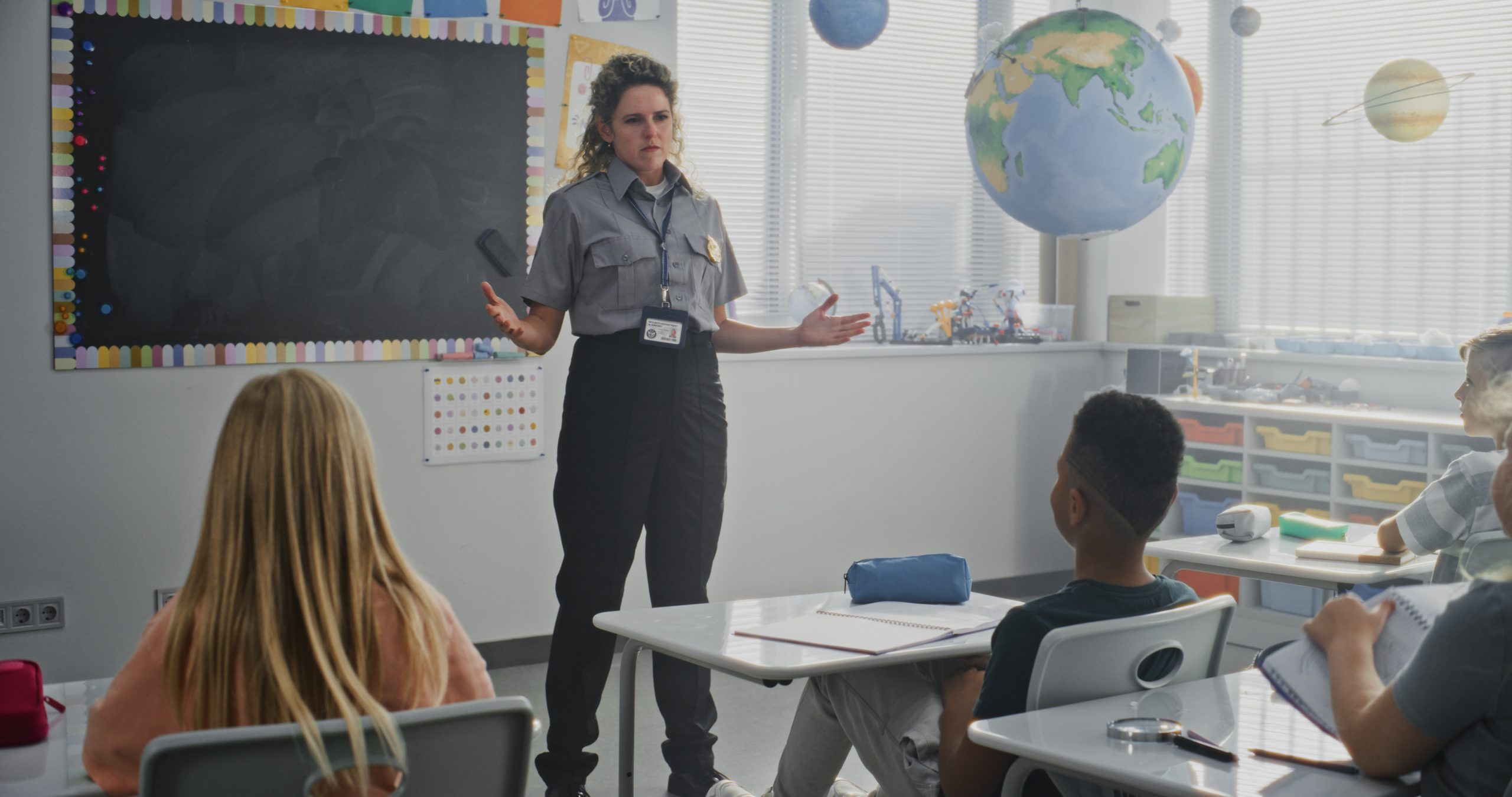
School safety remains a top priority for districts, educators, and families. Many districts include School Resource Officers (SROs)—sworn law enforcement officers assigned to school campuses—as part of their safety strategy. When implemented well, SRO programs can improve coordination with law enforcement, strengthen emergency preparedness, and support prevention efforts. To reduce legal risk and ensure appropriate boundaries, districts should clearly define the SRO’s role and follow strong risk-management practices.