
The health savings account (HSA) is a growing trend in health care, but is it right for you? An HSA is a cost-effective option for many individuals and families, but it is not the best choice for everyone.
The Differentiators
Comparing HSAs to traditional health plans can be difficult, as each has pros and cons. For example, traditional health plans typically have higher monthly premiums, a smaller deductible, and fixed copays and/or coinsurance. You pay less out-of-pocket due to the lower deductible and copay, but pay more each month in premium.
HSA plans generally have lower monthly premiums and a higher deductible. You may pay more out-of-pocket for medical expenses, but you can use your HSA to cover those costs, and you pay less each month for your premium.
Benefits
HSAs are designed to offer the user triple tax benefits – you put money in tax-free, it accrues interest tax-free and you can withdraw it tax-free (for qualified medical expenses). You can budget how much to contribute, and unspent dollars are rolled over each year, making it a good retirement savings vehicle as well. In addition, may choose to contribute to your HSA.
Drawbacks
It is tough to accurately budget for your yearly medical expenses, as illness is unpredictable. Also, finding accurate information about health care costs is sometimes difficult, reducing your ability to budget for expenses. If you do not budget enough for agiven year, you may have significant, unexpected out-of-pocket costs, especially if you face a large medical expense. Also,because the HSA is such a valuable savings opportunity, some people forgo care they need to avoid spending money from the account.
How to Decide
The decision is different for each individual. If you are generally healthy and/or have a reasonable idea of your annual healthcare expenses, then you could save a lot of money from the lower premiums and valuable tax-advantaged account with the HSA plan. For example, even someone with a chronic condition could take advantage of an HSA if you have an idea of your annual expenses and budget enough money to cover your care.
However, if you are older, more prone to illness or unexpected medical conditions, or prefer certainty in medical costs to the possible risk of unexpected out-of-pocket expenses, you may want to stick with a traditional plan. You’ll pay more in monthly premiums, but will have fixed copay and/or coinsurance amounts.
For more Employee Benefits resources, contact INSURICA today.
Copyright © 2024 Smarts Publishing. This is not intended to be exhaustive nor should any discussion or opinions be construed as legal advice. Readers should contact legal counsel or an insurance professional for appropriate advice.
About the Author

Share This Story




Related Blogs

Enhancing School Security: Practical Strategies for Safer Campuses
Enhancing school security is one of the most pressing responsibilities for education leaders today. As school campuses evolve, so too must the systems that protect them. For administrators, safety professionals, and district decision-makers, creating a secure learning environment means taking a proactive, layered approach that includes physical security, training, technology, and community involvement.

5 Common Cybersecurity Mistakes and How to Avoid Them
All organizations, regardless of their size or industry, are at risk of being targeted by cybercriminals. These malicious actors can conduct cyberattacks, leading to significant financial, operational and reputational damage that can be difficult or impossible to recover from. Fortunately, solid cyber hygiene practices can reduce the likelihood of data breaches and other cyber incidents from occurring, and many of these practices are relatively low-cost and easy to implement.
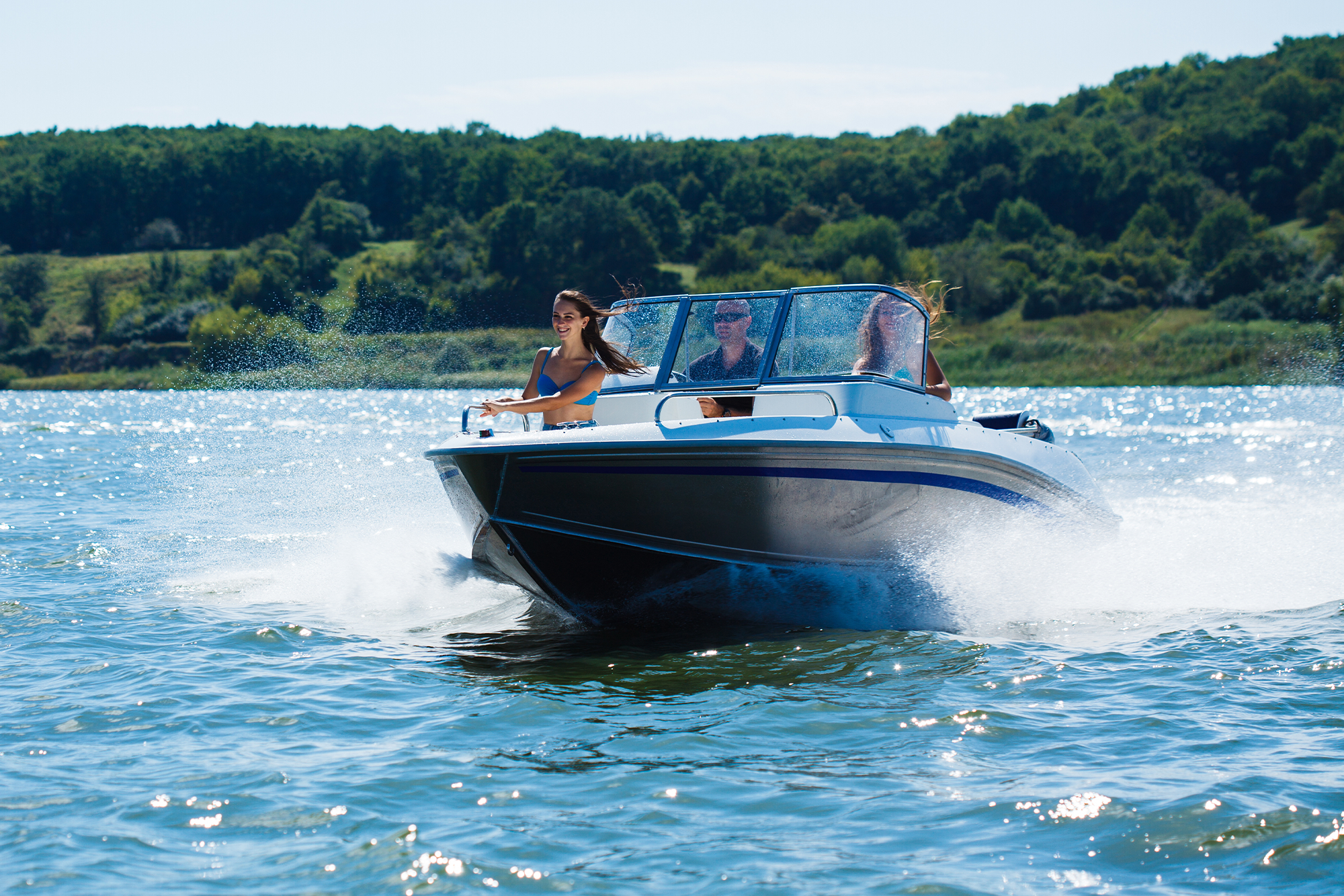


Insurance Coverage Basics For Boatowners
A small boat, such as a canoe or other un-motorized boat, is typically covered under the personal property portion of your homeowners insurance policy. If you own a larger, faster boat, you'll need a separate boatowners insurance policy. A typical boatowners insurance policy is designed to protect your boat, motor, equipment, and passengers. It affords similar coverages to those you typically have for your car including: