
Insuring Valuables
Nothing says “I love you” like a sparkling diamond necklace or a designer watch. However, in the event of a loss, nothing causes more heartache than learning that you’re underinsured. While insurance can’t ease the actual heartache from the loss a valuable item there are affordable additional coverage options to help ease the financial burden.
The Basics
Standard homeowners, condominium, or renters insurance policies include a limited amount of coverage for jewelry and other valuable items. However, many policies limit the dollar amount of coverage for the theft or loss due to a covered peril of such items. To properly protect certain types of valuables, additional coverage is available through a policy endorsement or floater.
Endorsements
Endorsements are additions to your homeowners, condominium, or renters insurance policies that change or add to the policy’s provisions. The endorsement can cover property otherwise excluded from a basic homeowners insurance policy, extend the number of perils included, or increase the amount paid for a covered loss. The items of value are “scheduled” on a list that includes a brief description and the item’s dollar value.
An appraisal or sales receipt is typically required to determine each item’s value. This will help ensure that, in the event of a covered loss, the amount of insurance is enough to cover the repair, replacement or cash payment of the item. Items scheduled are typically not subject to the policy deductible.
Floaters
A separate personal articles floater policy may be used to schedule your valuable property that is subject to special limits under basic homeowners coverage.
Once you have an endorsement or floater, it is important to periodically review your policy’s coverage limits to minimize the likelihood of being underinsured due to outdated appraisals and inadequate limits of insurance.
The Cost of Coverage
The cost of coverage varies depending on the item, but typically the fee is nominal. Our personal lines team of professionals can provide you with more information about coverage and an estimate for the cost of scheduling an item.
We’re Here to Help
Before a thief steals your possessions or your precious jewelry becomes lost, contact INSURICA to learn more about the affordable ways we can help you protect the things you value most.
Source: This article is provided for informational purposes only. The information provided herein is not intended to be exhaustive, nor should it be construed as advice regarding coverage. Eligibility for coverage is not guaranteed and all coverages are limited to the terms and conditions contained in the applicable policy. © 2008, 2011, 2013, 2016 Zywave, Inc. All rights reserved.
About the Author

Share This Story




Related Blogs
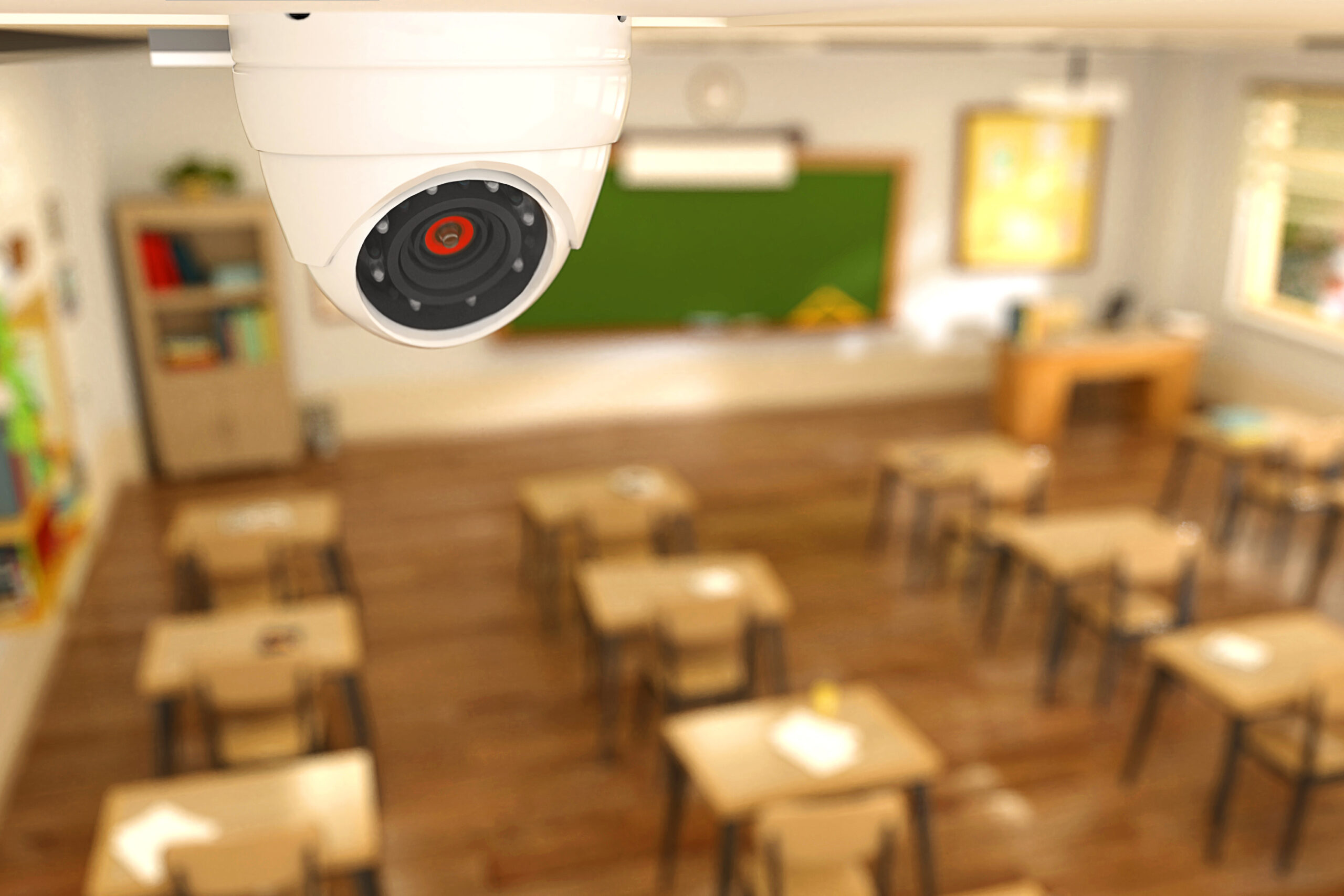
Enhancing School Security: Practical Strategies for Safer Campuses
Enhancing school security is one of the most pressing responsibilities for education leaders today. As school campuses evolve, so too must the systems that protect them. For administrators, safety professionals, and district decision-makers, creating a secure learning environment means taking a proactive, layered approach that includes physical security, training, technology, and community involvement.

5 Common Cybersecurity Mistakes and How to Avoid Them
All organizations, regardless of their size or industry, are at risk of being targeted by cybercriminals. These malicious actors can conduct cyberattacks, leading to significant financial, operational and reputational damage that can be difficult or impossible to recover from. Fortunately, solid cyber hygiene practices can reduce the likelihood of data breaches and other cyber incidents from occurring, and many of these practices are relatively low-cost and easy to implement.
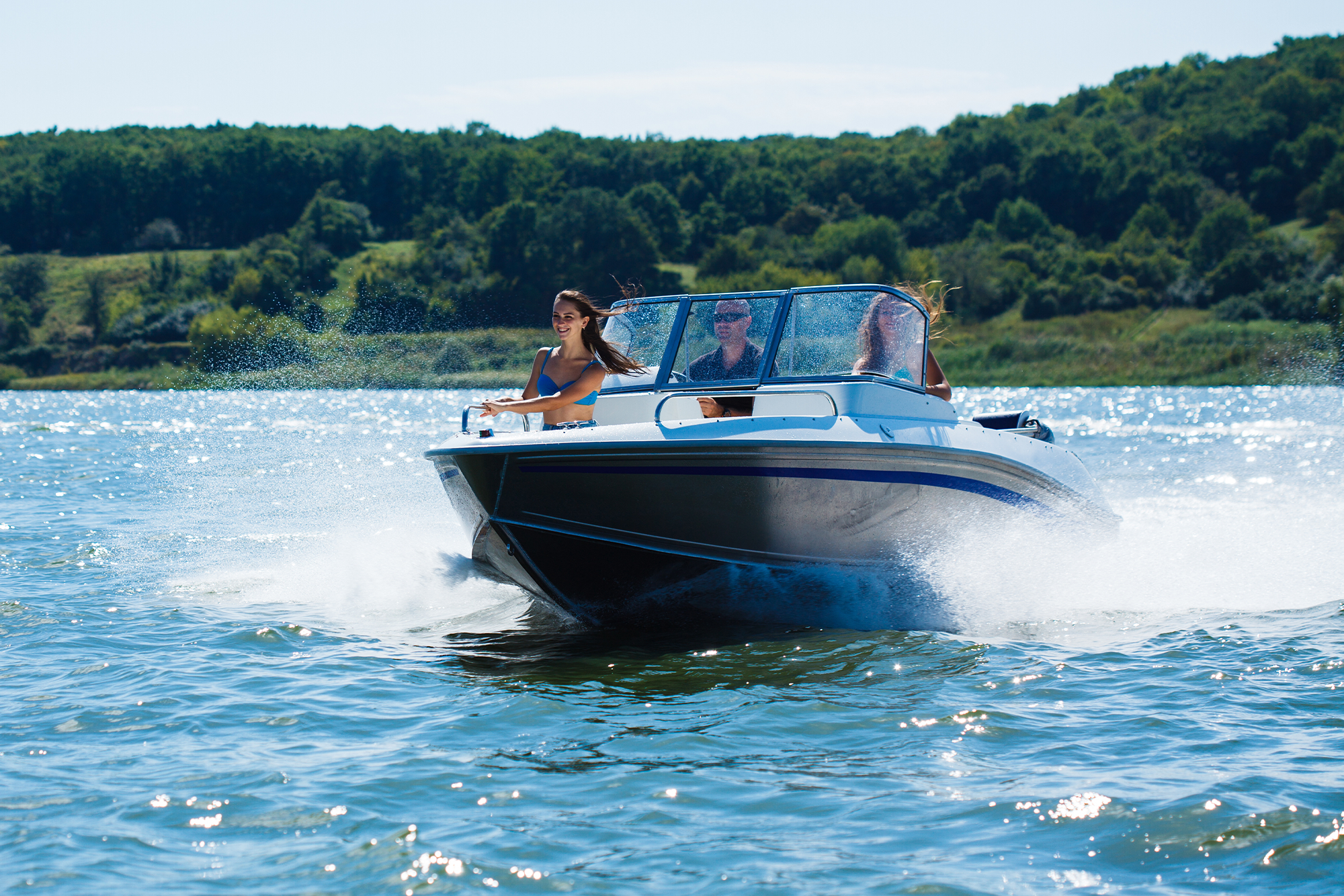

Insurance Coverage Basics For Boatowners
A small boat, such as a canoe or other un-motorized boat, is typically covered under the personal property portion of your homeowners insurance policy. If you own a larger, faster boat, you'll need a separate boatowners insurance policy. A typical boatowners insurance policy is designed to protect your boat, motor, equipment, and passengers. It affords similar coverages to those you typically have for your car including: