
OSHA is partnering with key groups to assist with hosting a safety stand-down to prevent falls in construction. This stand-down is scheduled for May 5-9, 2025. The National Safety Stand-down raises fall hazard awareness across the country in an effort to stop fall fatalities and injuries.
Safety Stand-down Overview
A safety stand-down is a voluntary event for employers to talk directly to employees about safety. Any workplace can hold a stand-down by taking a break to focus on fall hazards and reinforce the importance of fall prevention. Employers of companies not exposed to fall hazards can also use this opportunity to have a conversation with employees about the other job hazards they face, protective methods, and the company’s safety policies and goals. It can also be an opportunity for employees to talk to management about fall risks and other job hazards they see.
Who Can Participate?
Anyone who wants to prevent hazards in the workplace can participate in the stand-down. In past years, participants included commercial construction companies of all sizes, residential construction contractors, subcontractors and independent contractors, highway construction companies, general industry employers, the U.S. military, other government participants, unions, employer’s trade associations, institutes, employee interest organizations and safety equipment manufacturers.
How to Conduct a Safety Stand-down
Companies can conduct a safety stand-down by taking a break to have a toolbox talk or another safety activity, such as conducting safety equipment inspections, developing rescue plans or discussing job-specific hazards. Managers are encouraged to plan a stand-down that works best for their workplace at any time. See Suggestions to Prepare for a Successful Stand-Down and highlights from past stand-downs. OSHA also hosts a page for events that are free and open to the public to help employers and employees find events in their areas.
For further construction and risk management resources, contact INSURICA today.
This is not intended to be exhaustive nor should any discussion or opinions be construed as legal advice. Readers should contact legal counsel or an insurance professional for appropriate advice. ©2025 Zywave, Inc. All rights reserved
About the Author

Share This Story





Related Blogs

Protecting Your Network: Essential Data Backup Strategies for Schools
Protecting your network begins with implementing effective data backup [...]
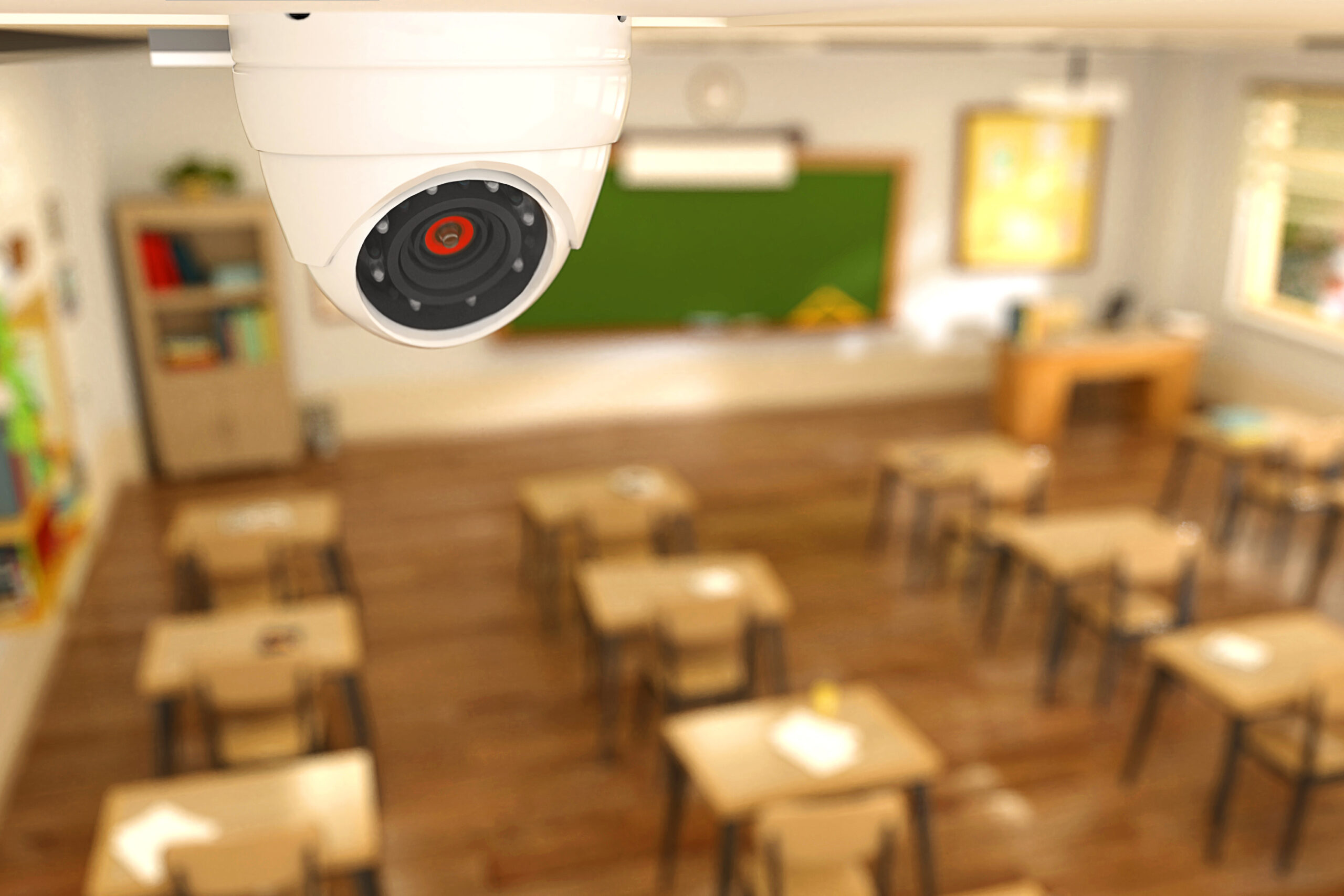
Enhancing School Security: Practical Strategies for Safer Campuses
Enhancing school security is one of the most pressing responsibilities for education leaders today. As school campuses evolve, so too must the systems that protect them. For administrators, safety professionals, and district decision-makers, creating a secure learning environment means taking a proactive, layered approach that includes physical security, training, technology, and community involvement.


5 Common Cybersecurity Mistakes and How to Avoid Them
All organizations, regardless of their size or industry, are at risk of being targeted by cybercriminals. These malicious actors can conduct cyberattacks, leading to significant financial, operational and reputational damage that can be difficult or impossible to recover from. Fortunately, solid cyber hygiene practices can reduce the likelihood of data breaches and other cyber incidents from occurring, and many of these practices are relatively low-cost and easy to implement.