
Oil drilling is an intricate process that involves lots of strength and skill. With so many moving parts and hands on deck, you not only need to perform your job, but you also need to perform it with safety in mind.
Potential Drilling Safety Hazards
Once drilling begins, there are several hazards that you must be aware of and take into consideration to reduce your risk of injury. These risks may include:
- Being struck by tongs, the make-up chain or pipe
- Being caught between collars and tongs or spinning chains and pipes
- Experiencing strains and sprains during lifting or controlling movement of drill collars, bit breakers, pipes and tongs
Injury Avoidance Suggestions
To reduce your risk of injury while drilling, take these safety precautions into consideration:
- Implement an effective pipe handling, make-up and break-out procedure by:
- Standing outside the tong swing radium when breaking pipe
- Using proper tong-latching techniques and proper hand and finger placement on the tong handles
- Standing clear of the rotary table when it is moving
- Use a tall rope on the spinning chain to keep your hands free from the danger area.
- Use proper lifting techniques to avoid strains and hoist slowly to limit pipe momentum. Or, use mechanical lifting aids to assist.
- If you do not understand part of the drilling process, ask your supervisor for clarification before proceeding.
- Always wear appropriate personal protective equipment.
- Be sure to follow all safety protocols, even if they seem unnecessary or slow you down.
It’s important for you to understand all of the potential drilling safety hazards and to take the proper precautions. Your safety, and the safety of others, depends on it.
Contact INSURICA today to learn more about your oil and gas coverage options.
This is not intended to be exhaustive nor should any discussion or opinions be construed as legal advice. Readers should contact legal counsel or an insurance professional for appropriate advice. © 2023 Zywave, Inc. All rights reserved.
About the Author

Share This Story




Related Blogs

Utah HB 508 Changes DFCM Bonding Requirements for State Construction Projects
A new bill was recently introduced and ultimately passed in the State of Utah. HB 508 was signed by the Governor on March 26, 2026, and could have lasting impacts on the Utah construction market.

Summer School Student Workers: Best Practices to Reduce Risk for Schools
Many Texas public school districts hire high school students for summer roles—supporting summer programs, clerical and departmental work, campus organization projects, childcare support, and limited food service assistance. These positions can benefit both students and districts, but they also introduce unique compliance, safety, and supervision considerations because the workers are minors in a school environment.

The Role of School Resource Officers (SROs): Legal & Safety Considerations
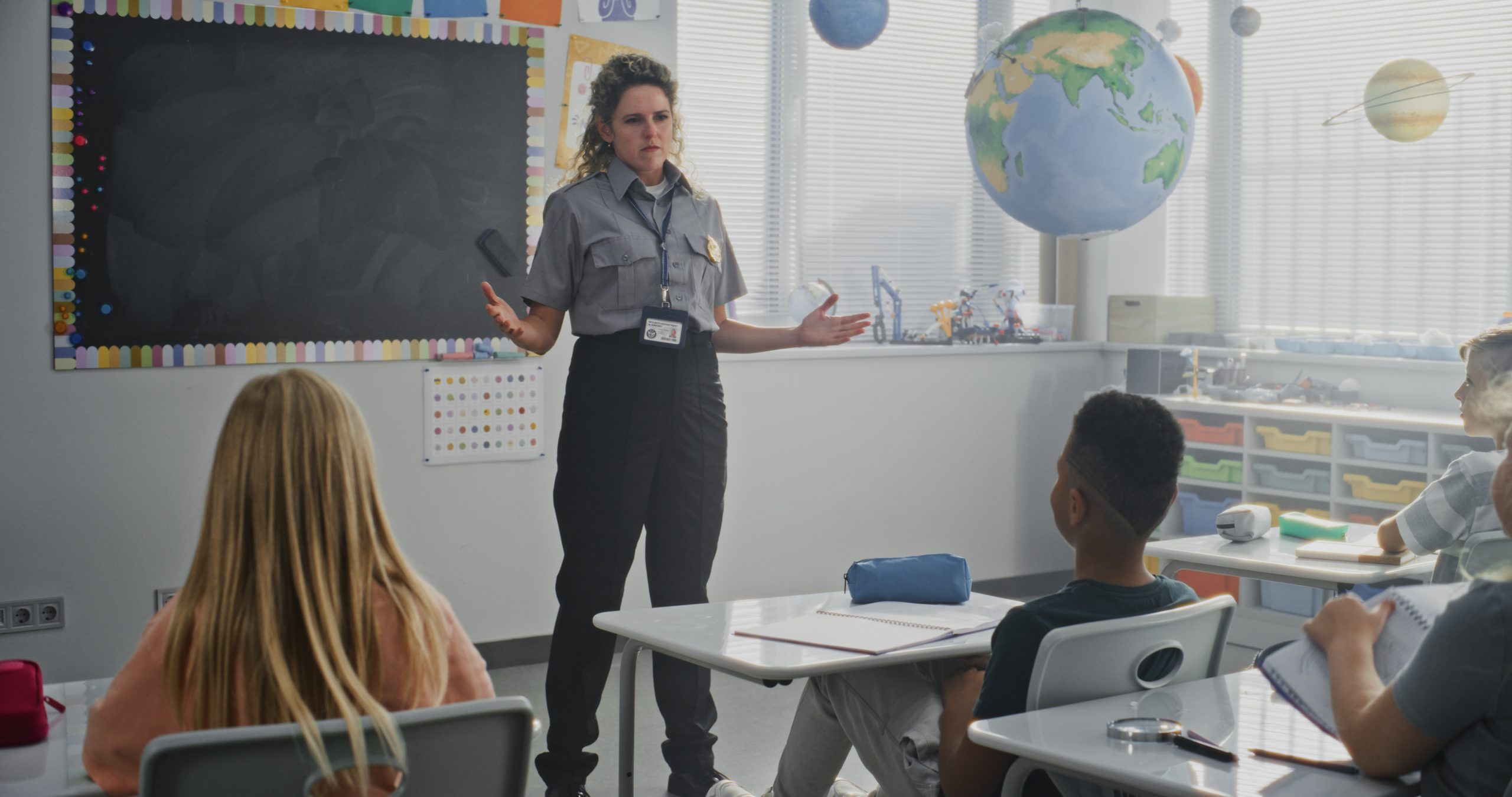
School safety remains a top priority for districts, educators, and families. Many districts include School Resource Officers (SROs)—sworn law enforcement officers assigned to school campuses—as part of their safety strategy. When implemented well, SRO programs can improve coordination with law enforcement, strengthen emergency preparedness, and support prevention efforts. To reduce legal risk and ensure appropriate boundaries, districts should clearly define the SRO’s role and follow strong risk-management practices.