
Machines and equipment used in the workplace will inevitably require maintenance. Many of these machines can be dangerous for employees to work on due to having to reach into areas of operation where possible hazards exist. As such, it’s important to make sure that a machine is turned off while an employee is working on it. Performing regular maintenance on a piece of equipment can result in serious injury or even death if part of their body is inside a machine and it is activated.
Controlling hazardous energy, also known as lockout, ensures that maintenance can be performed safely and that a machine’s sources of energy are locked and unable to be turned on.
In some situations, lockout may not be possible. When this happens, the tagout process is used. Tagout refers to simply tagging a machine with language instructing employees not to use it, while the former physically prevents use. Tagout provides less safety for employees and should therefore only be used in situations in which equipment cannot be locked out. Keep reading for more information on the control of hazardous energy.
Hazardous Sources of Energy
When applying lockout to a machine, it is important to understand all of its sources of energy. Possible hazardous sources of energy that employees may be dealing with include electrical, hydraulic, mechanical, pneumatic, gravity, chemical, thermal and steam.
All employees should be provided with a machine-specific procedure that documents all pieces of equipment that can be locked out for maintenance.
Machine-specific procedures are sets of written instructions that address each individual machine and detail the energy sources that must be controlled.
These procedures list the steps to shut down the equipment, perform lockout, isolate the energy sources, and, eventually, restore power to the machine safely. The procedures also explain the process of releasing stored energy and testing equipment to ensure there is no residual energy stored that could become hazardous.
Authorized & Affected Employees
Not all employees are authorized to perform lockout procedures on equipment. Even if you think you know how to conduct the process, the slightest error can still result in a serious accident.
Unauthorized employees should not only refrain from attempting to lock out a machine, but also avoid working on a machine that has been locked out by authorized personnel. Any employee who conducts maintenance should also be the one locking it, and, in situations when there is more than one employee working on a machine, each authorized employee should apply their own locks.
In Conclusion
Whenever a new piece of equipment is introduced to the workplace, lockout procedures will be developed.
If you ever notice that a machine does not have its own machine-specific procedure, if the existing procedure is incorrect, or if you have any other questions or concerns about the control of hazardous energy, speak with your supervisor.
For more risk management resouces, contact INSURICA today.
This is not intended to be exhaustive nor should any discussion or opinions be construed as legal advice. Readers should contact legal counsel or an insurance professional for appropriate advice. ©2025 Zywave, Inc. All rights reserved
About the Author

Share This Story



Related Blogs

Insurance Gaps to Watch for Before the School Year Starts
The weeks leading up to the first day of school [...]

Pharmacy Costs Are Surging Again — What Employers Can Actually Do in 2026
Pharmacy spending is once again the fastest growing component of employer health plans. Specialty drugs now account for more than half of total pharmacy spend, and GLP 1 medications for diabetes and weight management are reshaping budgets. Employers are feeling the pressure: rising premiums, unpredictable claims, and employee expectations for access to high cost therapies.
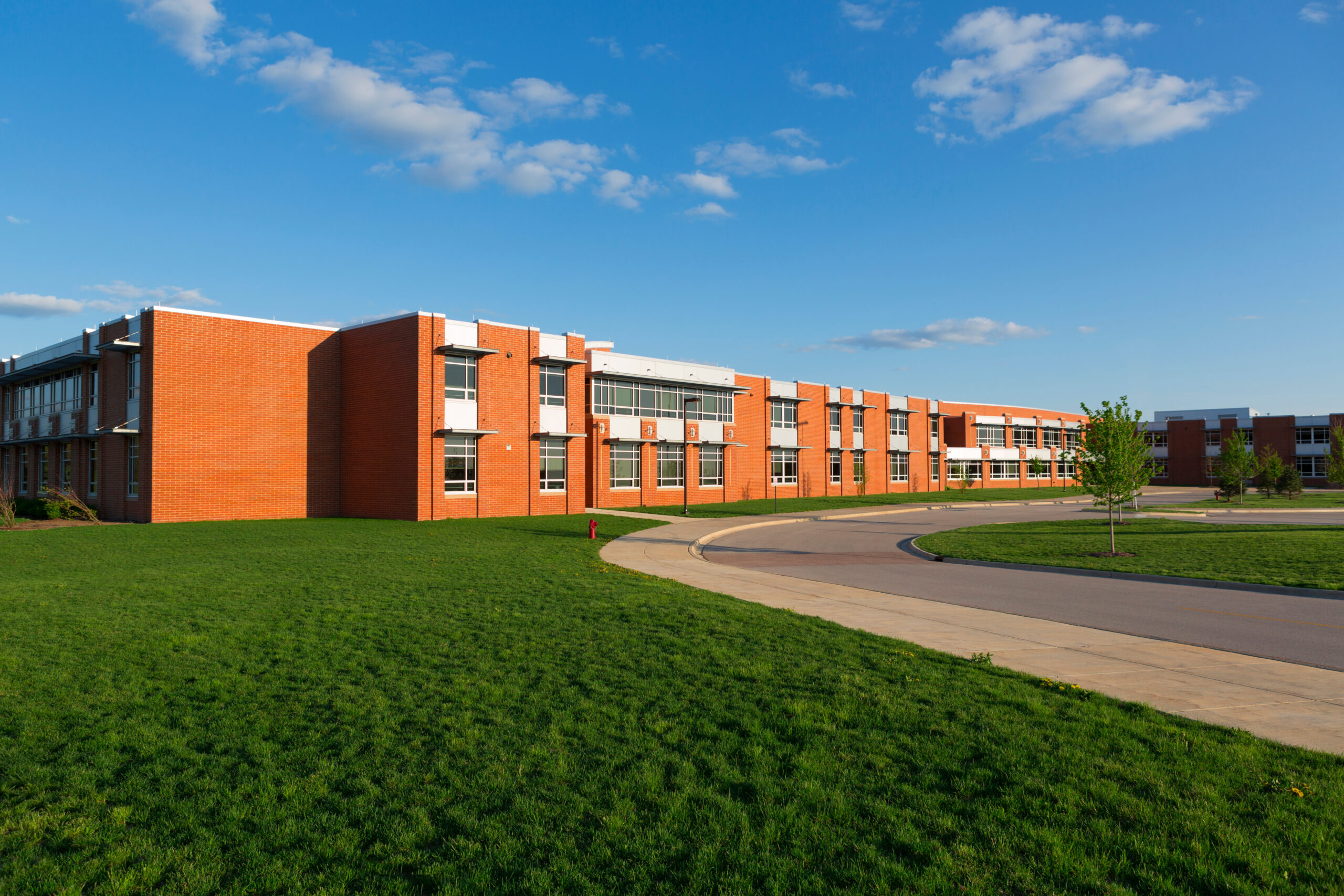



Addressing Blind Spots on Campus: Surveillance and Lighting
Summer is one of the best opportunities schools have to reduce campus security gaps. With fewer people on site and more flexibility to schedule vendors, campus surveillance and lighting can be inspected and improved to correct blind spots before back-to-school traffic increases.