
You already know that your General Liability policy excludes ‘intangible’ property. That is why you had to buy a cyber liability policy. That policy may not have covered all of the ‘gaps’ in coverage possible by Exclusion P – Electronic Data that is included in the General Liability coverage form.
What are some examples of this possible gap in coverage?
Let us suppose that you are a plumber, digging a trench for pipes, and you sever a fiber optic cable in the process. The General Liability policy includes ‘Underground’ coverage for damage to the Fiber Optic cable [tangible property]. However, it does NOT provide coverage for the loss of information [intangible property], or the loss of income that the third party may have endured due to loss of internet access.
Further examples would be an exterminator who inadvertently cuts a cable in their enthusiasm for getting rid of varmints, a water well driller, a utility company, a landscape contractor or anyone else who may be unknowingly working around a fiber optic cable and cuts or damages the cable, causing loss of data.
Data can become very expensive very quickly, resulting in legal liability for a large amount that is not insured by your General Liability policy.
Perhaps an electrical contractor is working in a building and inadvertently causes a power surge, damaging the hard drives of several computers, resulting in this doctor’s office losing hundreds of important patient files and a lawsuit against the electrical contractor.
These are just a few examples of scenarios that are likely to result in no coverage for the actual loss, nor for defense costs that accumulate due to a lawsuit from the third party.
An endorsement is available to provide coverage in these instances and in many other similar cases. This endorsement is the Electronic Data Liability Endorsement. There is a small additional charge for this endorsement, but it is usually minimal.
If you are a contractor, contact your Insurance Agent to verify that this important coverage is included on your General Liability policy. If this endorsement is not already included, ask your agent to provide a quotation to add this coverage. Contact INSURICA with more general liability questions.
This article is not intended to be exhaustive nor should any discussion or opinions be construed as legal advice. Readers should contact legal counsel or an insurance professional for appropriate advice.
About the Author

Share This Story





Related Blogs

Utah HB 508 Changes DFCM Bonding Requirements for State Construction Projects
A new bill was recently introduced and ultimately passed in the State of Utah. HB 508 was signed by the Governor on March 26, 2026, and could have lasting impacts on the Utah construction market.

Summer School Student Workers: Best Practices to Reduce Risk for Schools
Many Texas public school districts hire high school students for summer roles—supporting summer programs, clerical and departmental work, campus organization projects, childcare support, and limited food service assistance. These positions can benefit both students and districts, but they also introduce unique compliance, safety, and supervision considerations because the workers are minors in a school environment.

The Role of School Resource Officers (SROs): Legal & Safety Considerations
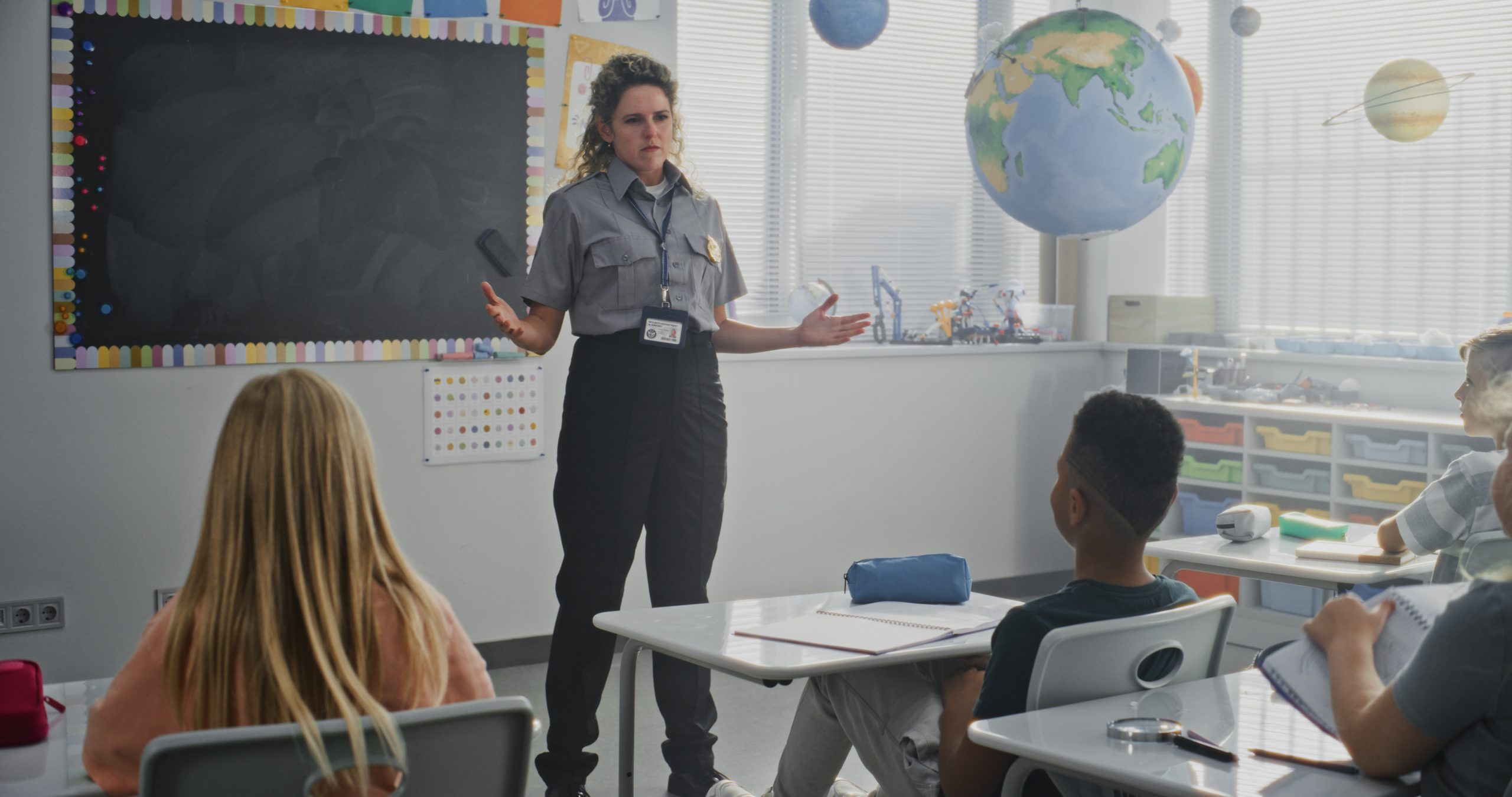
School safety remains a top priority for districts, educators, and families. Many districts include School Resource Officers (SROs)—sworn law enforcement officers assigned to school campuses—as part of their safety strategy. When implemented well, SRO programs can improve coordination with law enforcement, strengthen emergency preparedness, and support prevention efforts. To reduce legal risk and ensure appropriate boundaries, districts should clearly define the SRO’s role and follow strong risk-management practices.