
Amid a steep rise in accident severity and litigation costs, commercial auto insurers are turning to telematics technology to improve risk assessment and help stabilize a market under financial strain.
Shift Away from Traditional Underwriting
For years, insurance companies have relied on historical data—such as loss history, vehicle types and industry classifications—to set commercial auto rates. However, insurers say those methods may not reflect the true risk posed by individual fleets, as they overlook daily driving behaviors.
Using Data to Predict Risk
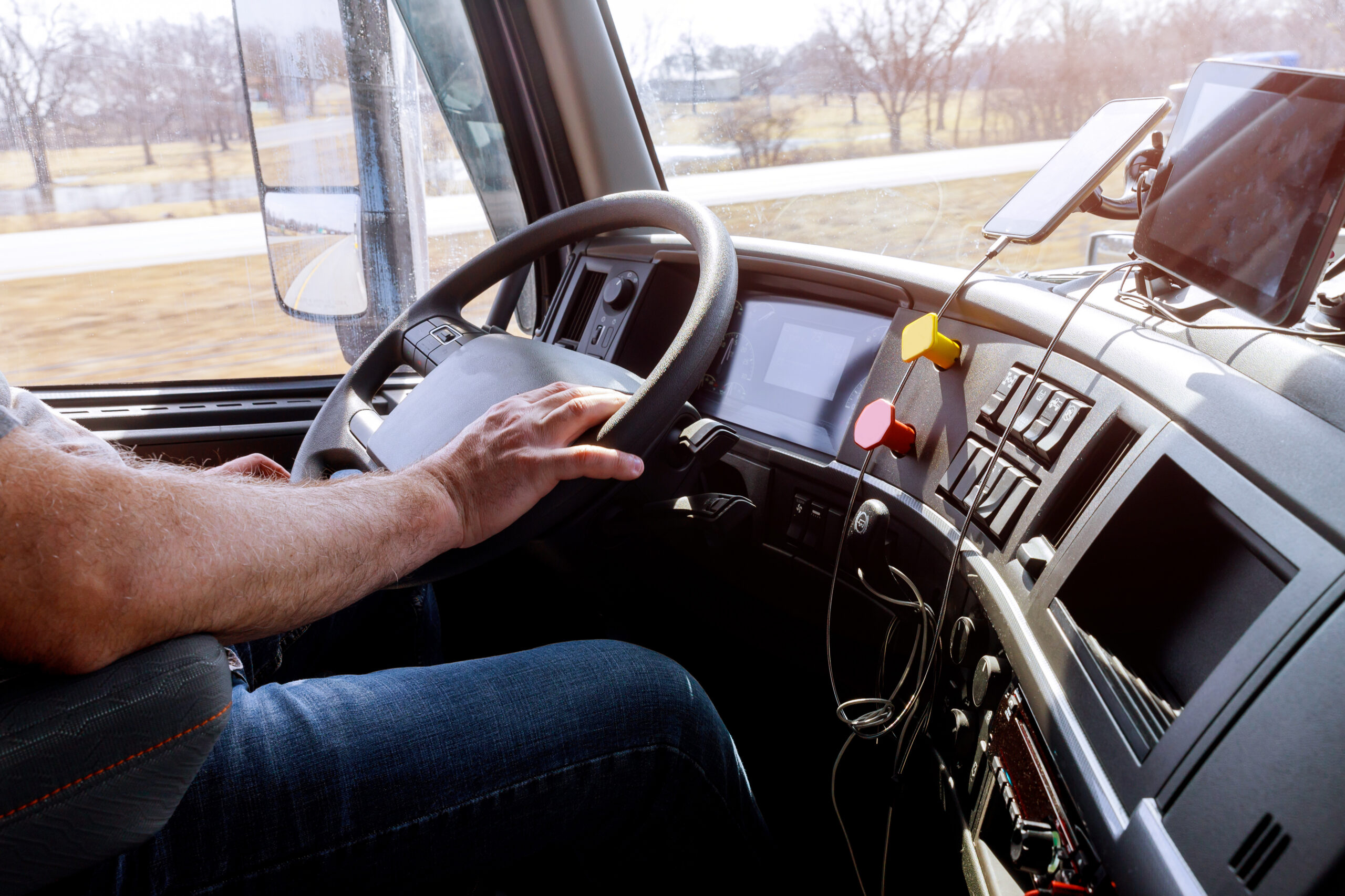
Telematics technology captures real-time driving data, measuring behaviors such as speeding, harsh braking, and distracted driving. Research indicates these behaviors are linked to heightened accident rates. By monitoring actual driving patterns, insurers gain insight that can help identify risky trends before accidents happen and allow for preventive action.
Promoting Fairness in Pricing
Insurers say telematics paves the way for usage-based and behavior-based models, enabling more accurate and fair pricing. Safer fleets often see premiums adjusted to reflect their lower risk, while riskier operations may pay more. The move aims to reduce the cross-subsidization in which safe drivers cover losses caused by less responsible operators.
Improving Claims Handling
Beyond underwriting, telematics assists in resolving claims by providing objective details about incidents, such as time, location, and vehicle activity. This information can speed up investigations, reduce disputes and fraud, and contribute to quicker claim settlements and lower legal expenses.
Emerging as a Risk Control Strategy
Insurers now view telematics as a key part of risk management, alongside driver vetting and safety programs. Fleets using telematics for coaching and ongoing driver improvement demonstrate proactive safety measures, factors insurers consider favorably in underwriting decisions.
Ensuring Market Stability
With rising claim costs, some insurers have limited commercial auto coverage or increased deductibles. Telematics is seen as a tool that helps carriers manage risk more effectively, which may help keep insurance both available and affordable for businesses.
Focused on Prevention, Not Punishment
Insurers emphasize that telematics is intended for risk management and coaching—not constant surveillance or discipline. The widespread use of objective data can help defend drivers during claims investigations, support training, and foster a culture of safety based on facts instead of assumptions.
Balancing Technology and Training
While telematics provides valuable behavioral insights, it does not replace traditional driver training. Instead, it identifies specific areas for additional coaching, with the ultimate goal of preventing accidents and injuries.
Outlook
Industry observers say the growing use of telematics reflects insurance carriers’ urgent need for better risk management tools. When implemented responsibly, advocates say the technology can improve safety performance, promote fairness, and support long-term market stability for commercial auto insurance.
For more risk management resources, contact INSURICA today.
This is not intended to be exhaustive nor should any discussion or opinions be construed as legal advice. Readers should contact legal counsel or an insurance professional for appropriate advice. ©2026 Zywave, Inc. All rights reserved
About the Author

Share This Story





Related Blogs

Pharmacy Costs Are Surging Again — What Employers Can Actually Do in 2026
Pharmacy spending is once again the fastest growing component of employer health plans. Specialty drugs now account for more than half of total pharmacy spend, and GLP 1 medications for diabetes and weight management are reshaping budgets. Employers are feeling the pressure: rising premiums, unpredictable claims, and employee expectations for access to high cost therapies.

Addressing Blind Spots on Campus: Surveillance and Lighting
Summer is one of the best opportunities schools have to reduce campus security gaps. With fewer people on site and more flexibility to schedule vendors, campus surveillance and lighting can be inspected and improved to correct blind spots before back-to-school traffic increases.



The Return-to-Office Reset: How Benefits Are Being Re-Engineered in 2026
After several years of experimentation, many employers are tightening hybrid schedules or requiring more in-office days. This “return-to-office reset” is reshaping benefits strategies as organizations look for ways to support commuting employees, improve onsite experience, and maintain flexibility. What began as a workplace policy shift is now driving a broader rethinking of how benefits can reinforce culture, productivity, and retention.