
Summer is a key season for school athletic fields and outdoor facilities. With fewer activities, it’s a great time for repairs and preventive maintenance—but it can also increase exposure to weather damage, irrigation problems, vandalism, and unauthorized use.
A simple summer plan can help protect turf, tracks, bleachers, lighting, scoreboards, and storage areas—so facilities are safe and ready before fall activities begin.
Below are practical best practices schools can use to protect outdoor facilities over the summer.
Why Summer Protection Matters
Outdoor facilities face a mix of summer risk drivers:
- Heat stress and drought impacting turf health and field safety
- Heavy rain and storms damaging surfaces, fencing, and structures
- Irrigation failures that go unnoticed for days
- Reduced on-site supervision leading to vandalism or unauthorized access
- Contractor activity increasing property and liability exposures
- Community use that can accelerate wear or create injury risk if not managed
The goal is to enter late summer with fields that are healthy, playable, and safe, and facilities that are secured and inspected.
-
Establish a Summer Inspection Schedule (and document it)
Create a simple checklist and assign ownership. Weekly (or more frequent) walk-throughs should include:
-
- Fields: holes, uneven areas, exposed sprinkler heads, debris, drainage issues
- Tracks/courts: cracks, lifting edges, slick areas, pooling water
- Equipment/structures: bleachers, goals, fences/gates, lighting, scoreboards, storage areas
Why it matters: documentation shows consistent oversight and helps support maintenance planning and defensibility if an incident occurs.
-
Prioritize Irrigation and Water Management
Irrigation issues can become costly quickly. Schools should:
-
- Confirm schedules and zone coverage
- Check for leaks, broken heads, and overspray onto walkways/tracks
- Verify backflow devices and controls (as required locally)
- Identify who receives system alerts (if monitored)
- Plan for drought or watering restrictions
Tip: require a quick “irrigation check” after any maintenance or contractor work near lines.
-
Control Access and Prevent Unauthorized Use
Unsupervised use can damage fields and increase injury risk. Consider:
-
- Locking gates and storage areas; limiting key access
- Posting clear signage (Authorized Use Only)
- Using a consistent approval process for camps/leagues
- Requiring proof of insurance where appropriate
- Increasing staff checks during high-traffic times
If your school allows community use, ensure it’s managed consistently with written rules and a formal approval process.
-
Address Storm Season Risks (wind, lightning, flooding)
Summer storms can create immediate hazards and delayed damage. Before and after severe weather:
-
- Inspect fences, gates, anchors, and portable goals
- Keep drainage paths clear (grates, channels, culverts)
- Secure loose equipment before storms
- After storms, check for debris, downed limbs, electrical hazards, and surface washouts
- Document damage promptly and notify the right contacts
-
Maintain Safe Storage Areas and Equipment
-
- Store chemicals, fuel, and tools in secured, labeled areas
- Lock up portable equipment and maintenance gear
- Store padding/safety equipment dry and inspect before fall
- Keep walkways and storage rooms clear to prevent trips
-
Manage Contractor Work with Clear Expectations
Before work begins:
-
- Confirm scope, work area boundaries, and access rules
- Verify required insurance and certificates (if applicable)
- Require safe storage of materials and daily site cleanup
- Set a communication plan for hazards found during work
-
Prep for Fall: End-of-Summer “Readiness Check”
Before fall practices begin:
-
- Confirm playing surfaces are level and hazard-free
- Verify goals are anchored and in good condition
- Check bleachers, fences, gates, and lighting
- Confirm emergency access routes are clear
- Document completion and address open items with a timeline
Bottom Line
Protecting athletic fields and outdoor facilities over the summer comes down to routine inspections, water management, access control, storm preparedness, and documented maintenance. A structured plan reduces unexpected repairs, improves safety, and helps schools start the school year ready for athletics and outdoor activities.
For more risk management resources, please contact an Insurance & Risk Management Advisor today.
About the Author

Share This Story





Related Blogs

Pharmacy Costs Are Surging Again — What Employers Can Actually Do in 2026
Pharmacy spending is once again the fastest growing component of employer health plans. Specialty drugs now account for more than half of total pharmacy spend, and GLP 1 medications for diabetes and weight management are reshaping budgets. Employers are feeling the pressure: rising premiums, unpredictable claims, and employee expectations for access to high cost therapies.
Addressing Blind Spots on Campus: Surveillance and Lighting
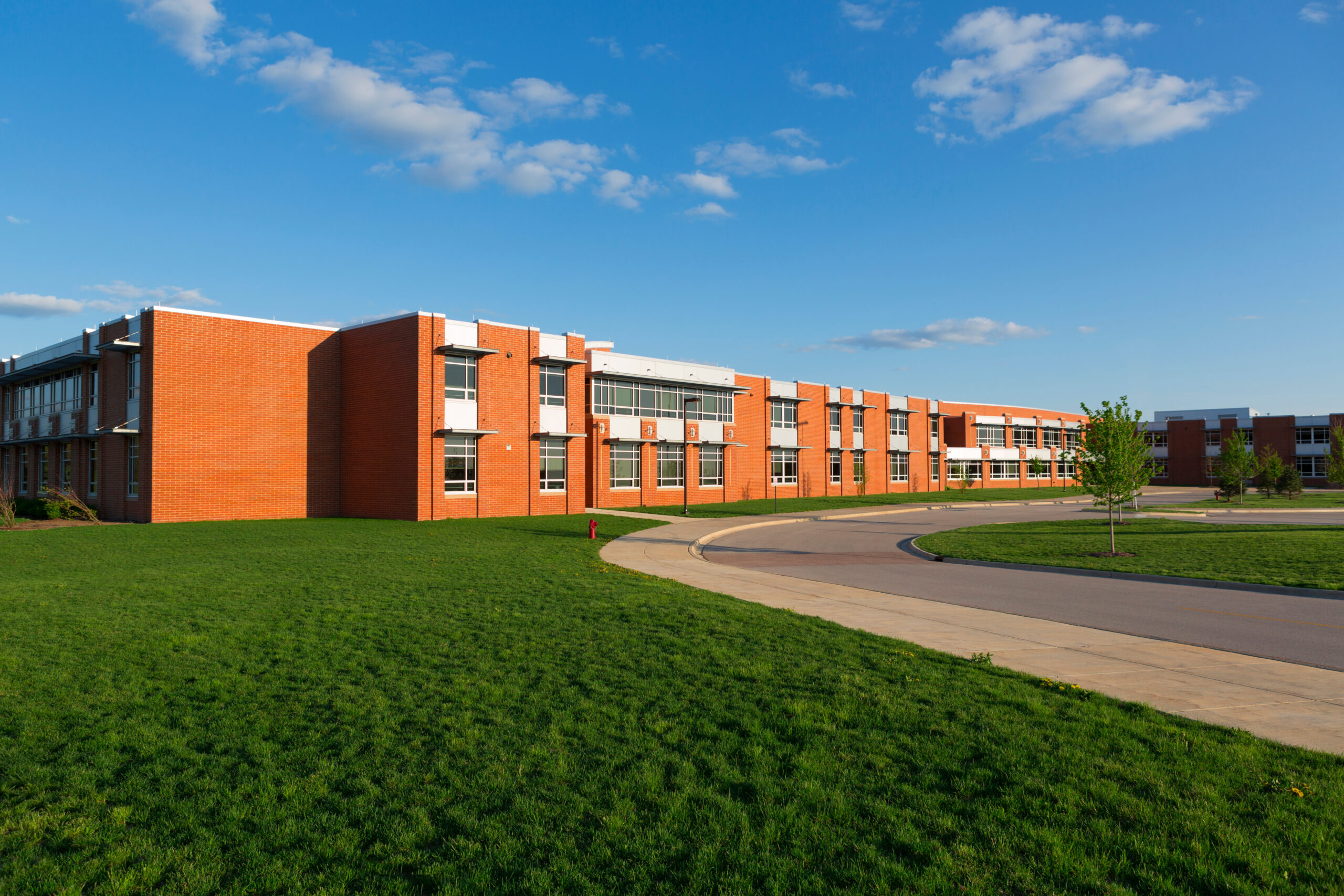
Summer is one of the best opportunities schools have to reduce campus security gaps. With fewer people on site and more flexibility to schedule vendors, campus surveillance and lighting can be inspected and improved to correct blind spots before back-to-school traffic increases.



The Return-to-Office Reset: How Benefits Are Being Re-Engineered in 2026
After several years of experimentation, many employers are tightening hybrid schedules or requiring more in-office days. This “return-to-office reset” is reshaping benefits strategies as organizations look for ways to support commuting employees, improve onsite experience, and maintain flexibility. What began as a workplace policy shift is now driving a broader rethinking of how benefits can reinforce culture, productivity, and retention.