
Key Strategies for Preventing Frozen Pipes
- Insulate Exposed Pipes
Use pipe insulation or heat tape to protect pipes that are exposed to cold air, particularly those in unheated areas like athletic field houses, maintenance bays, or portable buildings. This added layer of protection can prevent pipes from freezing even during prolonged cold snaps. - Maintain Indoor Temperatures
Ensure all areas of your facility are kept at a minimum of 40°F, even when unoccupied. Increase thermostat settings in preparation for freezing temperatures and consider using programmable thermostats to maintain consistent heating levels during breaks or weekends. - Drain Exterior Plumbing
Shut off and drain exterior water lines, such as those connected to irrigation systems or hose bibs. Remove any attached hoses to prevent water from freezing inside and bursting the lines. - Prepare HVAC Systems
Inspect HVAC systems to ensure they are functioning efficiently. Verify that freeze protection measures, such as heat tracing and interlocked dampers, are in place for rooftop or exterior units. Ensure hot water coils are protected and drain systems if extended power outages are anticipated. - Develop an Emergency Response Plan
Create a detailed plan outlining how to prepare and monitor facilities during freezing conditions. Assign responsibilities to a response team, monitor weather forecasts, and ensure staff know how to locate and shut off water valves quickly in the event of a burst pipe.
Additional Considerations:
Monitor Vulnerable Areas: Pay attention to stairwells, atriums, or other spaces near exterior doors where cold air can accumulate.
Check Fire Sprinkler Systems: Protect fire sprinkler pipes with proper insulation and ensure fire pump rooms are heated to at least 70°F.
Communicate with Staff: Educate maintenance personnel on identifying early signs of freezing and how to address potential issues.
By implementing these preventive measures, schools can significantly reduce the risk of frozen or burst pipes and minimize the disruption caused by cold weather. Preparing ahead of time not only protects facilities but also ensures a safe and comfortable environment for students and staff.
For more ways to protect your schools, contact INSURICA today.
About the Author

Share This Story



Related Blogs

Pharmacy Costs Are Surging Again — What Employers Can Actually Do in 2026
Pharmacy spending is once again the fastest growing component of employer health plans. Specialty drugs now account for more than half of total pharmacy spend, and GLP 1 medications for diabetes and weight management are reshaping budgets. Employers are feeling the pressure: rising premiums, unpredictable claims, and employee expectations for access to high cost therapies.
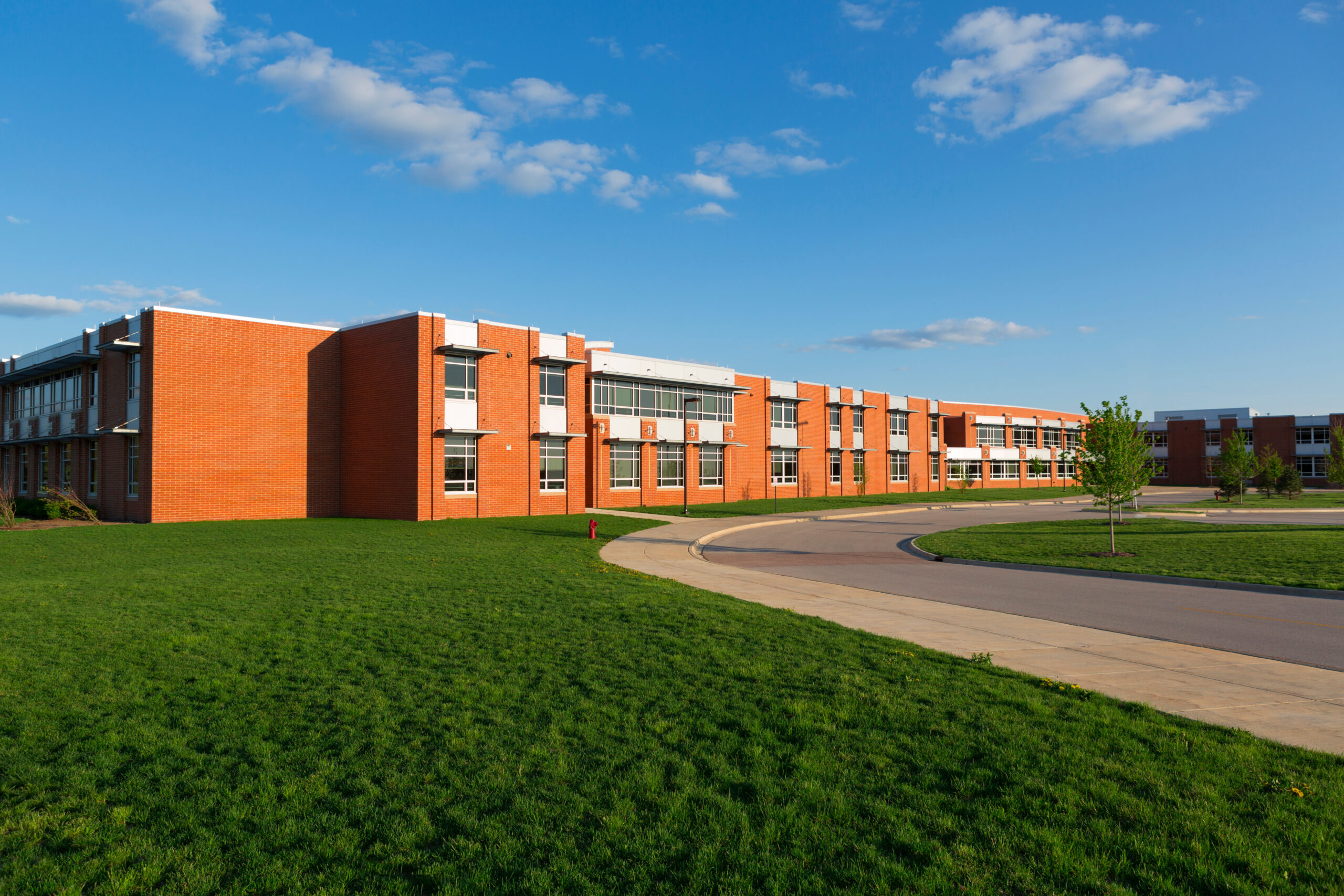
Addressing Blind Spots on Campus: Surveillance and Lighting
Summer is one of the best opportunities schools have to reduce campus security gaps. With fewer people on site and more flexibility to schedule vendors, campus surveillance and lighting can be inspected and improved to correct blind spots before back-to-school traffic increases.


The Return-to-Office Reset: How Benefits Are Being Re-Engineered in 2026
After several years of experimentation, many employers are tightening hybrid schedules or requiring more in-office days. This “return-to-office reset” is reshaping benefits strategies as organizations look for ways to support commuting employees, improve onsite experience, and maintain flexibility. What began as a workplace policy shift is now driving a broader rethinking of how benefits can reinforce culture, productivity, and retention.