
As schools prepare for colder weather, heating systems and indoor air quality deserve special attention. When equipment, ventilation, or maintenance needs are overlooked, schools may face uncomfortable learning environments, equipment failures, water damage, or disruptions to normal operations.
A proactive review* before winter can help facilities teams identify concerns early and support a safe, comfortable environment for students and staff.
Inspect Heating Equipment
Before heating systems are operating at full demand, review the condition and performance of boilers, furnaces, rooftop units, heat pumps, unit ventilators, and related controls.
Consider checking maintenance records, thermostats, electrical connections, belts, motors, safety shutoffs, and exhaust components. Address unusual noises, inconsistent temperatures, visible leaks, corrosion, or other signs that equipment may need attention. Confirm that emergency repair contacts and key vendor information are current and accessible.
Review Filtration and Ventilation
During colder months, buildings are often more tightly closed to retain heat. This makes it especially important to confirm that HVAC systems, filters, outdoor-air intakes, and exhaust components are operating as intended.
Replace filters according to the manufacturer’s recommendations and verify that they fit securely. Inspect outdoor-air intakes, vents, and dampers for leaves, debris, snow, or ice that could restrict airflow. Spaces with higher occupancy such as cafeterias, gyms, auditoriums, nurse’s offices, and classrooms may require additional attention.
Any changes to filtration or ventilation should be evaluated by qualified HVAC professionals to ensure they are appropriate for the existing system and do not negatively affect airflow or equipment performance.
Identify Moisture Concerns Early
Cold weather can contribute to condensation around windows, exterior walls, pipes, and mechanical systems. If moisture issues are not addressed promptly, they can lead to property damage, mold concerns, and indoor air quality issues.
Inspect for water stains, active leaks, damp materials, musty odors, roof concerns, plumbing leaks, and condensation near windows or HVAC equipment. Promptly investigate the source of any moisture and take appropriate steps to dry, clean, repair, or replace affected materials.
Help Prevent Freeze-Related Losses
Frozen pipes and sprinkler-system damage can create significant property losses and interrupt school operations. Unoccupied areas, portable buildings, storage spaces, mechanical rooms, and other locations exposed to outside temperatures may be especially vulnerable.
Identify exposed pipes, valves, backflow preventers, and sprinkler-system components. Confirm that adequate heat will be maintained in vulnerable areas, particularly during weekends, holidays, and extended school breaks. Staff should know how to report temperature concerns, leaks, and other issues, as well as where water shutoff valves are located.
Encourage Early Reporting
Teachers, custodial staff, and other employees are often the first to notice temperature inconsistencies, odors, leaks, condensation, or unusual equipment performance. A clear reporting process can help facilities teams respond before a small concern becomes a larger issue.
By combining preventive maintenance, regular inspections, and clear communication, schools can help protect their people, property, and continuity of operations throughout the winter season.
For more risk management resources, please contact one of our Insurance & Risk Management Advisors today.
*This material is provided for general informational purposes only and does not constitute legal, engineering, environmental, or insurance coverage advice. Schools should consult qualified professionals regarding building systems, indoor air quality, and applicable regulatory requirements.
About the Author

Share This Story




Related Blogs

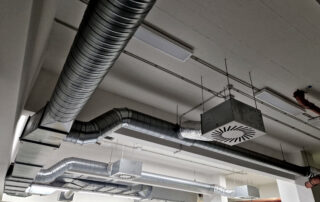
Heating Systems and Indoor Air Quality: What Schools Should Check Before Winter
As schools prepare for colder weather, heating systems and [...]

AI in Schools: 7 Questions to Ask Before Approving a New Tool
Artificial intelligence tools are quickly becoming part of the [...]


INSURICA Acquires WorkCompOne, Expanding Digital Capabilities for Small Business Insurance
OKLAHOMA CITY, Okla. — INSURICA has acquired WorkCompOne, a direct-to-consumer digital insurance agency focused on workers' compensation coverage for small businesses.